
Why We Save
About 11 minutes, plus hands-on activity and discussion.

Think about it
Think about a seed. If you eat it right away, that’s all you’ll ever have. But if you plant it, water it, and wait, it can grow into a tree that produces fruit again and again. Money works the same way. Saving isn’t the fruit, it’s the seed. When we set money aside and later use it wisely, that’s when it produces fruit in our lives.
Saving isn’t always easy. It takes patience and discipline to say, “Not yet,” when we want something right now. But saving wisely shows self-control, honors God, and prepares us for the future.
Let’s Learn
What is Saving?
Saving is putting money aside instead of spending it all right away. It’s a way of saying, “I care about tomorrow as much as I care about today.” The Bible says in Proverbs 21:20, “The wise store up choice food and olive oil, but fools gulp theirs down.” God calls it wise to keep something back instead of using it all at once.
Remember the story of Joseph we already learned? He stored up grain during the seven good years so that Egypt and many other nations would survive the seven years of famine. Joseph’s discipline showed how important it is to prepare ahead of time.
Reasons We Save

There are many reasons why saving matters. Sometimes we save for short-term goals, like a toy, a game, or a bike we really want. These kinds of goals teach us how to plan and wait. Other times, we save for long-term goals, like a car, college, or even bigger things in the future.
Saving in this way gives us peace of mind and helps us feel secure. We also save because life is full of surprises. Things break, people get sick, or plans suddenly change. Having savings ready for emergencies protects us during those unexpected times.
Another important reason to save is so we can give. When we’ve prepared and set money aside, we’re free to share with others generously, just like Joseph was able to help many people when the famine came. Saving is not just about us, it allows us to plan, to be prepared, and to bless others.
Saving is Hard
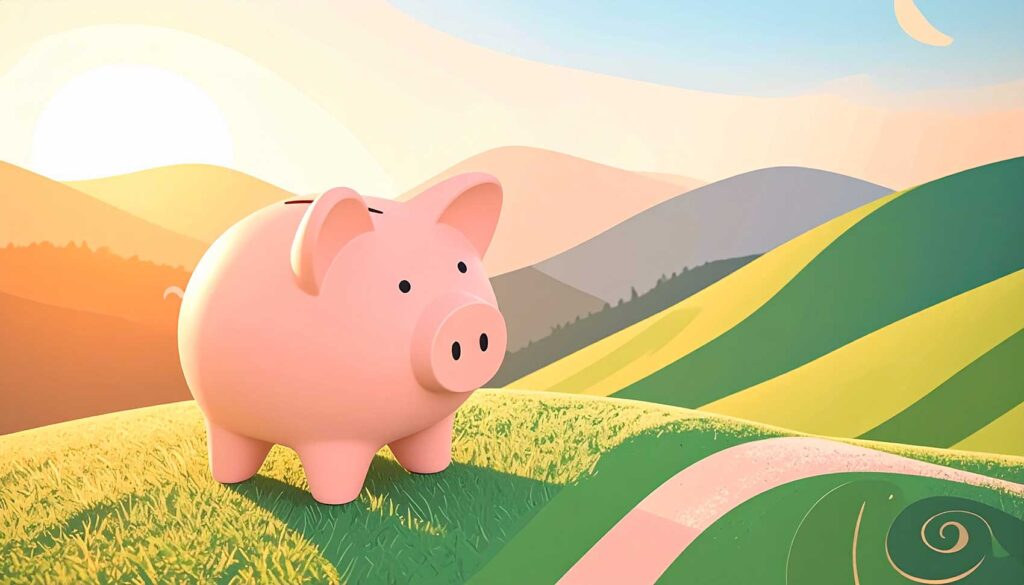
Saving isn’t easy, because it often means giving up something we want right now. It takes discipline to say “not yet” when we want to say “yes” immediately. Discipline is like a muscle. The more we work the muscle of discipline, the stronger it becomes. Each time we choose to save instead of spend, we are exercising patience and self-control.
The Path to a Goal
Sometimes saving feels too big, like a mountain we can’t climb. That’s why it helps to have a path. If you want to save for something important, like your first car, you don’t just wait and hope. You make a plan. Step by step, little by little, your savings grow.
Learning about money is one thing, but putting what you’ve learned into practice is what makes it real and useful. For many families, the first big purchase kids can start planning for is their very first car. Believe it or not, with discipline and patience, it’s possible for a kid to contribute a meaningful amount, or even the entire cost, toward the car.
To help with this, we’ve created a planning tool to make the path clear. Of course, the real challenge isn’t making the plan, because the tool makes it easy, it’s following through. That’s why there is an entire lesson dedicated to this savings goal: helping you take what you’ve learned and put it into action as you save for your first car.
True Story: Marcus Saves for a New Bike
Marcus loved riding bikes with his friends. They all had cool BMX bikes with bright colors. Marcus dreamed of having one too, but the bike he wanted cost almost $500, which was way more than his parents could afford. His parents told him, “If you really want it, you’ll have to save for it yourself.”

At first, $500 sounded like a mountain Marcus could never climb. But instead of giving up, he made a plan. Each week, Marcus received a small allowance for doing chores, and he decided to put almost all of it into a savings jar. He also found ways to earn extra money, like helping his uncle wash cars, raking leaves for neighbors, and running errands for his grandmother.
The first few weeks were exciting as he watched the money in the jar grow. But after a while, it got harder. Sometimes he wanted to buy snacks or toys when he was out with friends. Other times he wished he could spend a little on video games. But Marcus remembered his goal and reminded himself, “Not yet.”
Month by month, the savings jar filled. First $100, then $200, then $300. A whole year went by, and Marcus finally had enough to buy the BMX bike he had been dreaming of. When he wheeled it out of the store, he felt more than just happy, he felt proud. The bike wasn’t just something fun to ride, it was proof that discipline, patience, and saving little by little could turn a big dream into reality.
The Payday Path
Don’t forget, the Payday Path includes a saving basket. Each week, some of your payment can be added here, giving you the chance for your saving basket to grow as you think about the things you need or want to save for.
Words to Know
Discipline is training yourself to make wise choices, even when it’s hard—like saying “no” to something now so you can save for something bigger later.
A goal is something you are working toward, such as saving up for your first car, a new bike, or even a trip.
An emergency is an unexpected event that needs money right away, like when your shoes suddenly rip or a pet has to go to the vet.
A plan is a step-by-step path that shows how you will reach your saving goal, like deciding how much money to set aside each week until you reach the amount you need.
Let’s Play!
Drag the Words Game
Instructions: Drag the correct word into each sentence.
Bible Time
“Whoever gathers money little by little makes it grow.”
—Proverbs 13:11
Saving is not about putting away a huge amount all at once, but about small, steady choices that build up over time. Even though saving can feel slow and sometimes frustrating, those little steps grow into something much bigger, and God honors our faithfulness and wisdom. Each small choice to save is like planting a seed. Over time, those seeds grow into fruit that provides for our needs, helps us face surprises, and allows us to be generous to others.
With Your Grown-up
If a grown-up or parent is nearby, spend a minute to discuss one or more of these topics.
Hands On
Put learning into action! Download the activity and dive into a fun, practical way to explore today’s lesson.
What we Learned
In this lesson, we learned that saving is like planting a seed. It takes discipline and patience, but over time, those seeds grow into fruit that can help us reach our goals, handle emergencies, and even bless others. Saving is hard, but with a plan and steady steps, we can use our money wisely and honor God with what He’s given us.
In the next lesson we’ll explore another important basket, the giving basket.

Check Your Understanding
High-Five!
Hit play for your end-of-lesson video!