
Investing Adventures
About 17 minutes, plus hands-on activity and discussion.

Two True Money Stories
Ronald, the Janitor Who Became a Millionaire
Let me tell you about a man named Ronald Read. If you had met Ronald, you might not have thought he was anyone special. He worked for many years at a gas station and later as a janitor (someone who cleans buildings). That means he pumped gas, swept floors, and did regular jobs that did not pay very much. Ronald wore simple clothes, drove an old car, and did not show off. People who knew him said he was friendly, quiet, and lived a very ordinary life.
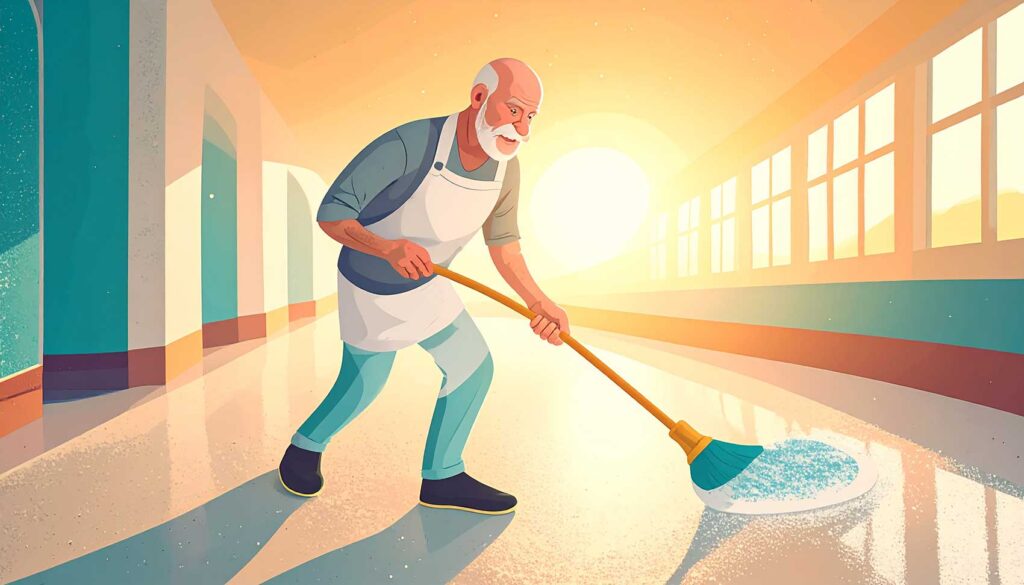
But here is the surprising part. Ronald was a saver and an investor. Every time he got paid, he set aside a little money. Instead of spending it all, he bought small pieces of businesses (called stocks). He picked businesses that he believed would last and grow strong over time, like planting good seeds in healthy soil.
Years turned into decades, and his money began to grow and multiply. That is what investing does. One dollar planted, left alone, can grow into two, then four, then ten. Slowly but surely, Ronald built up something huge. When he died in 2014, the whole town was shocked. This humble janitor, who no one thought was rich, had left behind a fortune of over $8 million. And the best part is that he gave most of it away to help his community, including the hospital and the library.
Ronald’s story teaches us that you do not have to make a lot of money to grow wealth.
You just need patience, wisdom, and the willingness to plant your seeds and wait.
Richard, the Rich Man Who Lost It All
Now let me tell you about another man named Richard Fuscone. Richard’s life looked very different from Ronald’s. Richard was once a powerful businessman who made a lot of money. He lived in a huge house, had fancy cars, and even flew in private planes. On the outside, it seemed like he had everything people dream about.

But Richard lived a life of too much spending and too much debt (money you owe and have to pay back).
Instead of planting seeds for the future, he gobbled up everything he earned right away and sometimes spent more than he even had.
Then hard times came and the economy slowed down. Richard could not keep up with his bills. Little by little, he lost his houses, his cars, and all those luxuries. In the end, this very rich man, who once seemed to have it all, lost almost everything.
Think About It
Both Ronald and Richard made choices with their money that shaped their future. One chose patience and steady planting, and the other chose spending and borrowing. Their lives show us that the way we use money can grow into something big or disappear completely.
Let’s Learn
What is Investing?
Investing is putting money into something that has a chance to grow. You might invest in a business, a house, or something else that may grow in value. The idea behind investing is that the value of what you bought will increase, and you can make more money later than you had at the start.

Choosing a Market
Once you have some money to invest, the first step is to decide what market, or markets, to invest in. A market is like a big place where people gather to buy and sell things of the same kind. In investing, the “things” can be stocks, houses, land, gold, and even collectibles like trading cards and rare coins.
Here are some markets where even kids can start investing with the help of their parents:
Stock Market

Stock Market: You can own small pieces of companies (businesses) called stocks. For example, you could buy part of a toy company or a sneaker company.
Baskets of Stocks
Baskets of Stocks: These baskets are filled with many different stocks so you can invest in categories of companies, such as technology companies, energy companies, and AI companies. The baskets are called Mutual Funds or ETFs.
Real Estate Market

Real Estate Market: You might not buy a house yourself, but you could invest in something called a Real Estate Investment Trust, which is like owning a small piece of many houses.
Gold and Silver Market

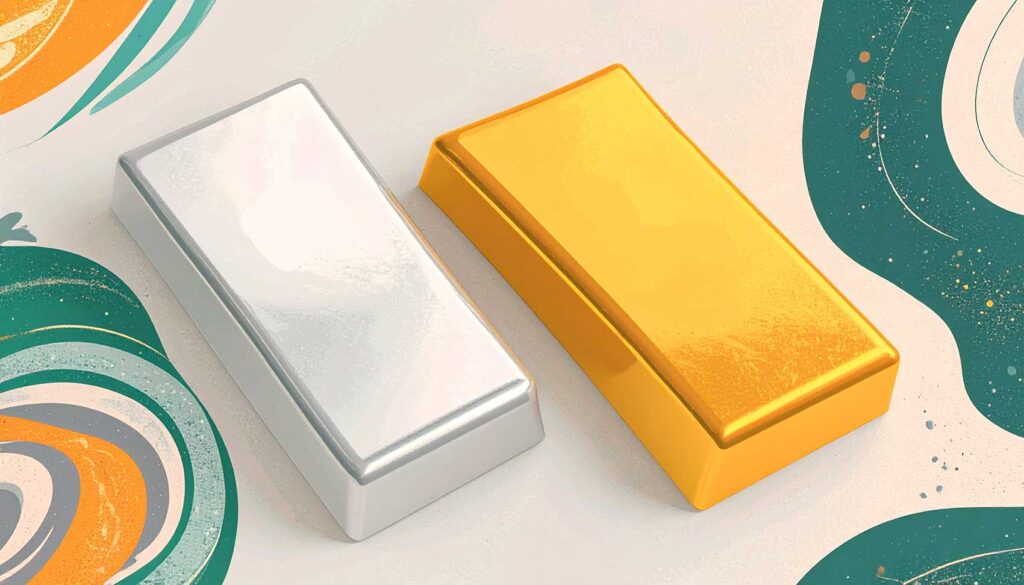
Gold and Silver Market: Gold has been valuable for thousands of years. Investors sometimes buy precious metals like gold or silver.
Collectibles Market

Collectibles Market: Items like trading cards, rare coins, comic books, or limited-edition toys can sometimes go up in value because people want them and there is a limited amount available.
A Marketplace Example
Imagine walking through a busy marketplace of shops with your parents. People are selling and buying all around you. The prices change because sometimes more people want to buy, and other times more people want to sell.
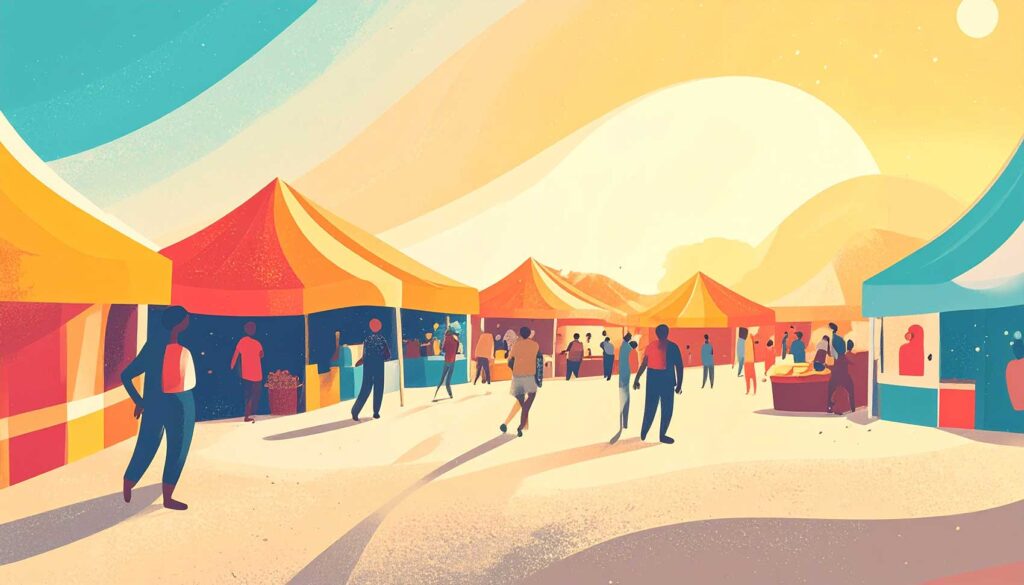
In one row, sellers have stands for “Company Shares.” A seller might say, “I will sell you one share of this Toy Company for $10.” If you think the Toy Company will grow, you might buy it. Later, someone else might want to buy it from you for $12.
At another stand, sellers are offering shiny gold or silver coins. A few stands down, there are people selling collectible cards or rare toys. You might buy one card for $5, then later find out that collectors are willing to pay $20 for it.
In another row, sellers are offering little pieces of real estate.
Everywhere you look, there are buyers and sellers. You do not just grab things off a shelf. You choose carefully what to buy, and one day you might sell it to someone else. That is what makes it a market.
Most investments in markets today can be bought and sold online. You don’t see who you are buying an investment from, or who you are selling it to. But you do see the price.
Do you remember What Gives Something Value?
Do you remember when we talked about value in a previous lesson? We learned that things can be valuable for different reasons:
- They are trusted (like money).
- They are rare (like gold or a rare trading card).
- They are useful (like a house, water, or a flashlight).
- They are wanted (like the most popular toy or sneakers).
We also learned about supply and demand. If there is a lot of something but not many people want it, the value is low. If there is very little of something and many people want it, the value is high.
Similarly, when buyers think an investment will be worth more in the future, they may be willing to pay more for it than what the sellers are selling it for. And when buyers think an investment is too expensive, then they may wait until the value of the investment comes down before buying it.
How markets Grow in value
Stock Market
People buy small pieces of good companies when they trust those companies will grow and make more money. If a company grows and makes more money, and you own a small piece of that company, then the amount that you own goes up in value too.

How stock value goes up and down
If a lot of people want to buy the stock of a company, then the value of that stock goes up. If people lose trust in the company, or the sales of a company start to go down (like Alex’s first lemonade stand), then the value of that company’s stock can go down, and your small piece would go down too.
Have you heard of a company named Apple? Apple sells iPhones and computers. Apple’s business continues to grow, and more and more people have been buying Apple stock.
Ten years ago, in 2015, Apple was worth about $27 per share of Apple stock. In August of 2025, Apple was worth about $230 per share. If you bought $100 of Apple stock 10 years ago, today it would be worth about $850. That’s an increase of $750!
That’s the adventure of investing!
Baskets of Stocks
People buy baskets of stocks when they want to own small pieces of many companies at the same time. A basket might include technology companies, energy companies, or even companies building artificial intelligence (AI). If the companies inside the basket grow and make more money, then the value of the basket goes up too.
How a Basket’s value goes up and down
If a lot of people want to buy a basket of stocks, then the value of that basket goes up. If people lose trust in the companies inside the basket, or those companies grow more slowly, then the value of the basket can go down, and your share of the basket would go down too.
Have you heard of the S&P 500 ETF? It is one of the most popular baskets of stocks in the world. It includes 500 of the biggest companies in America, such as Apple, Microsoft, and Disney.
Ten years ago, in 2015, the S&P 500 ETF was worth about $200 per share. In August of 2025, it was worth about $550 per share. If you bought $100 of this basket 10 years ago, today it would be worth about $275. That is an increase of $175!
That’s the adventure of investing!
Real Estate Market
People buy houses and land because they are useful. Everyone needs a place to live, and land can be used for farming and building.

How real estate value goes up and down
If many families want to live in a certain area but there are not enough houses, prices go up. If people start moving away from an area, or there are too many houses for sale, prices can go down.
Ten years ago, in 2015, the average home value in the United States was around $180,000. In August of 2025, the average home was worth about $360,000. If you bought a house 10 years ago, today your house would be worth twice as much!
That’s the adventure of investing!
Gold and Silver Market
People buy gold and silver because they are rare and have been trusted as valuable for thousands of years. They also last a long time without breaking down.
How gold and silver value goes up and down
If many people want to buy gold or silver, prices rise. If fewer people are interested, prices can fall. The amount of gold or silver available in the world also affects the price.
How much gold or silver you have is measured in ounces.
Ten years ago, in 2015, the value of gold was around $1,100 per ounce. In August of 2025, gold’s value was about $3,600 per ounce. If you bought $100 of gold 10 years ago, today it would be worth about $327. That’s an increase of $227!
That’s the adventure of investing!
Collectibles Markets
People buy collectibles like trading cards, rare coins, comics, or limited-edition toys because they are rare and many people want them. A collectible can become very valuable if it is hard to find and a lot of people are willing to pay for it.
How a collectible’s value goes up and down
If a toy, card, coin, or other collectible becomes popular and more people want it, the price goes up. If people lose interest, or if new versions are made so it is no longer rare, the price can drop.
Pokémon cards are one of the longest-running and most popular collectible trading card games in the world.
Ten years ago, in 2015, a 1st-Edition Charizard Pokémon card in near-mint condition might have sold for around $200. In August of 2025, this same card could sell for around $25,000. That’s an increase of $24,800!
That’s the adventure of investing!
Investments grow with Time and Patience
Investing is like planting a seed. If you plant today and give it time, you will see a sprout, then a tree, then fruit. If you pull it up too soon, it may have grown a little, but it will stop growing.
Investments work the same way. Whether it is a stock, a house, gold, or a collectible, value often grows slowly over months and years. Some days it may even look smaller, but with patience it can grow much larger. When you finally sell your investment, you trade it to someone else for money. If you sell it for more than you paid, then you made money on your investment.
Words to Know
To invest means to use your money to buy something that can grow in value over time.
A market is a place where people buy and sell the same kind of thing, like stocks, houses, gold, or collectibles.
A stock is a small piece of ownership in a company.
Real estate means land or property, like houses, apartments, or buildings. People invest in real estate because it is useful and often grows in value over time.
Let’s Play!
Memory Game
Instructions: Click to reveal items from the lesson and find all 8 matches.
Bible Time
“So he called ten of his servants and gave them ten minas. ‘Put this money to work,’ he said, ‘until I come back.’ The first one came and said, ‘Sir, your mina has earned ten more.’ ‘Well done, my good servant!’ his master replied…”
—Luke 19:13, 16–17
In this story, Jesus tells about a master who gave his servants some money, called minas. He told them, “Put this money to work until I come back.” That means he wanted them to use it wisely, not hide it away.
One servant worked hard and invested his mina. When the master returned, the servant said, “Your mina has earned ten more.” Instead of giving his master back one mina when he returned, he gave him ten minas because he invested it. The master was very pleased and said, “Well done, my good servant! Because you have been trustworthy with something small, I will trust you with something much greater.”
This teaches us an important truth: God wants us to be faithful with what He gives us, even if it seems small at first. When we use money, talents, or opportunities wisely, God is pleased. Just like in investing, when we put what we have to work instead of letting it sit still, it can grow into something much greater.
With Your Grown-up
If a grown-up or parent is nearby, spend a minute to discuss one or more of these topics.
Hands On
Put learning into action! Download the activity and dive into a fun, practical way to explore today’s lesson.
What we Learned
Today we learned that investing is like planting seeds. When we put our money into something that can grow, it often becomes more valuable over time. We discovered that different markets such as stocks, real estate, gold and silver, collectibles, and baskets of stocks, each have their own ways of going up and down in value.
We also learned that patience is one of the most powerful parts of investing. Just like a seed needs time before it becomes a tree, investments need time before they grow into something much larger. Sometimes it is wise to hold investments for many years, and sometimes it is wise to sell them for a good purpose.
Check Your Understanding
High-Five!
Hit play for your end-of-lesson video!