
Rest Over Riches
About 6 minutes, plus hands-on activity and discussion.

Think About It
You made it! Way to go! We have reached the end of our Money Explorers journey. You’ve learned so many lessons about what money is, how to earn it, how to use it wisely, and how to live with God’s truth in your heart. Here’s something to think about as we begin the final Money Explorers lesson:
You’ve grown so much as a Money Explorer!
Let’s Review
Money is a Tool, Not a Treasure

Throughout the course we learned that money is not the treasure itself. Money is a tool, like a hammer or a paintbrush. It helps us do things: buy food, save for the future, bless others. But if we treat money like the treasure, we’ll always want more, and it will never be enough. Jesus said it clearly: “Do not store up for yourselves treasures on earth… For where your treasure is, there your heart will be also.” (Matthew 6:19–21)
The Gift of Work
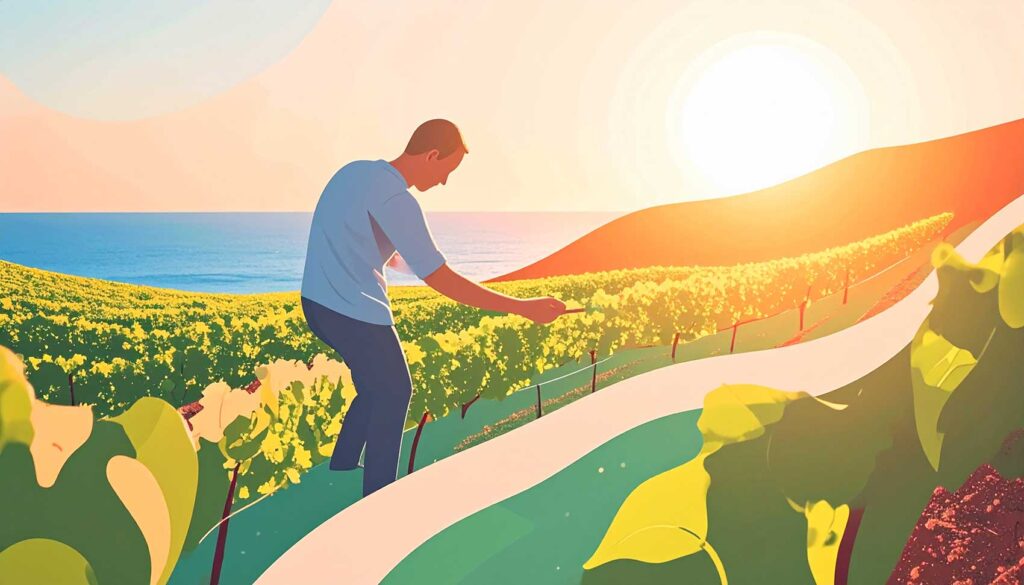
We also learned that work is good. Work was part of God’s design from the very beginning. Adam was given a job to care for the garden, and we too are given gifts and talents to put to work. When we do our work with integrity, doing the right thing even when no one is looking, we honor God and serve others. Work isn’t just about earning money. It’s also about fulfilling God’s purpose in our lives.
Stewardship is Taking Care of What God Gives

Money, time, talents, and even the world around us, all belong to God. We are stewards, or caretakers. When we spend carefully, save wisely, give generously, and invest faithfully, we show that we can be trusted with God’s gifts. Stewardship means remembering: “The earth is the Lord’s, and everything in it.”
Contentment Means Enough Is Enough
The world around us says: “More, more, more!” But we’ve learned that real joy doesn’t come from having piles of toys, gadgets, clothes, or shoes. Contentment means being thankful for what we already have. It’s being able to say, “This is enough.” When we practice contentment, we experience peace, even when others are chasing after riches.
Discipline is Training Our Hearts and Habits

Money choices aren’t just about numbers. They’re also about self-control. Discipline means learning to say “no” to some things so we can say “yes” to better things later. Whether it’s saving instead of spending right away, or choosing to give instead of keeping everything for ourselves, discipline helps us grow and mature in how we live. It is like training for a sport. The more we practice, the better we get at it.
Words to Know
Contentment is being thankful and satisfied with what we have instead of always chasing more.
Stewardship is taking good care of everything God has given us, including our money, time, talents, and the world around us.
Rest is a peace that comes from trusting God and living His way, not from having more stuff or chasing riches.
Let’s Play!
Flip the Card
Instructions: There are 5 scenarios below. Flip each card to be reminded of the main ideas from the course.
Bible Time
“Make it your ambition to lead a quiet life: You should mind your own business and work with your hands, just as we told you, so that your daily life may win the respect of outsiders and so that you will not be dependent on anybody.”
—1 Thessalonians 4:11–12
The Bible tells us how to live a meaningful life with both rest and responsibility.
This verse brings together everything we’ve learned:
- Work faithfully with integrity.
- Use money as a tool, not a treasure.
- Live in contentment instead of chasing more.
- Practice discipline in your choices.
- Be a wise steward by taking care of what God has given you.
When we live this way, people notice. Our daily life becomes a quiet but powerful example, showing the world that true rest comes from God, not from riches.
With Your Grown-up
If a grown-up or parent is nearby, spend a minute to discuss one or more of these topics.
Hands On
Put learning into action! Download the activity and dive into a fun, practical way to explore today’s lesson.
What we Learned
In this final lesson of Money Explorers, we looked back at some of the most important lessons from the course. Above all, we discovered that true rest does not come from riches, but from living God’s way and choosing peace, simplicity, and trust in Him above everything else.
The way you live and use your money may not look like the way others use their money, and that is okay. God has chosen you to be set apart and has given you a unique purpose. Follow the principles of Biblical stewardship, and enjoy watching as God uses your good stewardship to bless your family and the lives of many others in the world.
Check Your Understanding
High-Five!
Hit play for your end-of-lesson video!