
Shells, Salt, and Chocolate
About 10 minutes, plus hands-on activity and discussion.
Think about it
In the previous lesson we learned about how people traded by bartering, swapping one item for another. But bartering wasn’t always easy. What if you had eggs and needed shoes, but the shoemaker didn’t want eggs? That’s when people started using special items that everyone agreed were valuable.
Let’s Learn
Before there were coins or paper money, people used special items that were useful or valuable as currency. These were called commodities. People realized that instead of trading things only some people wanted, they could use special items that everyone agreed had value.
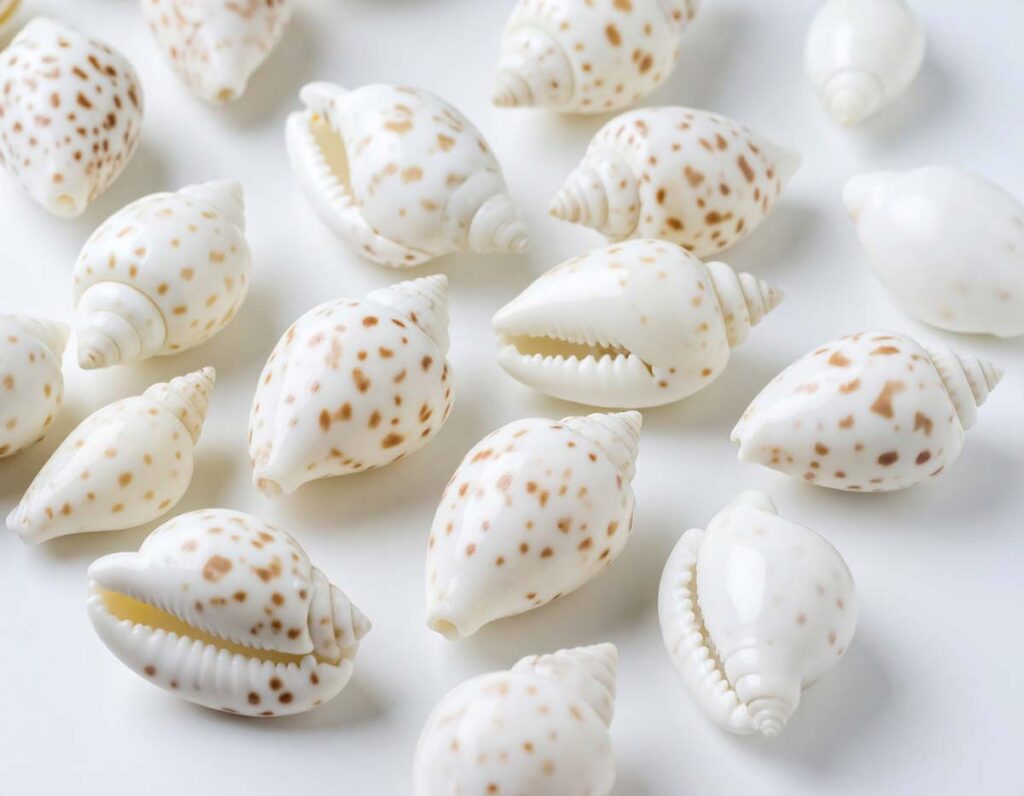
One example is the cowrie shell. These small, shiny ocean shells were used like money in parts of Africa, India and China. Because they were beautiful, hard to break, and easy to carry, cowrie shells made trading much easier. People could buy things like food, clothing or even land using these little shells.
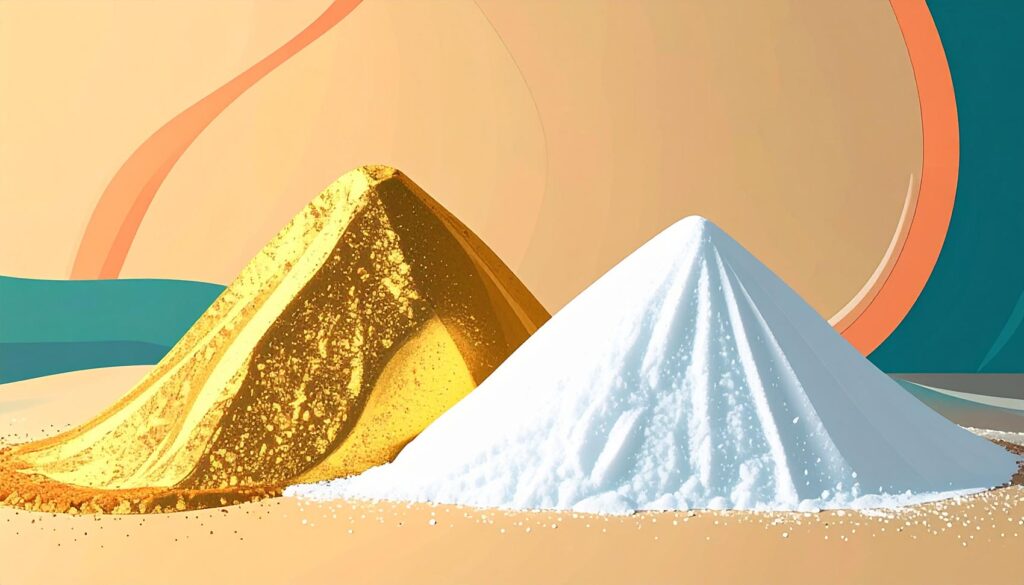
Salt was another important form of early money. In places like Ancient Rome and Africa, salt wasn’t just for seasoning food, it was essential for preserving food before refrigerators existed. That made it incredibly valuable. People traded salt for gold and even used it to pay workers. In fact, the word “salary” comes from the Latin word salarium, because Roman soldiers were sometimes paid in salt!
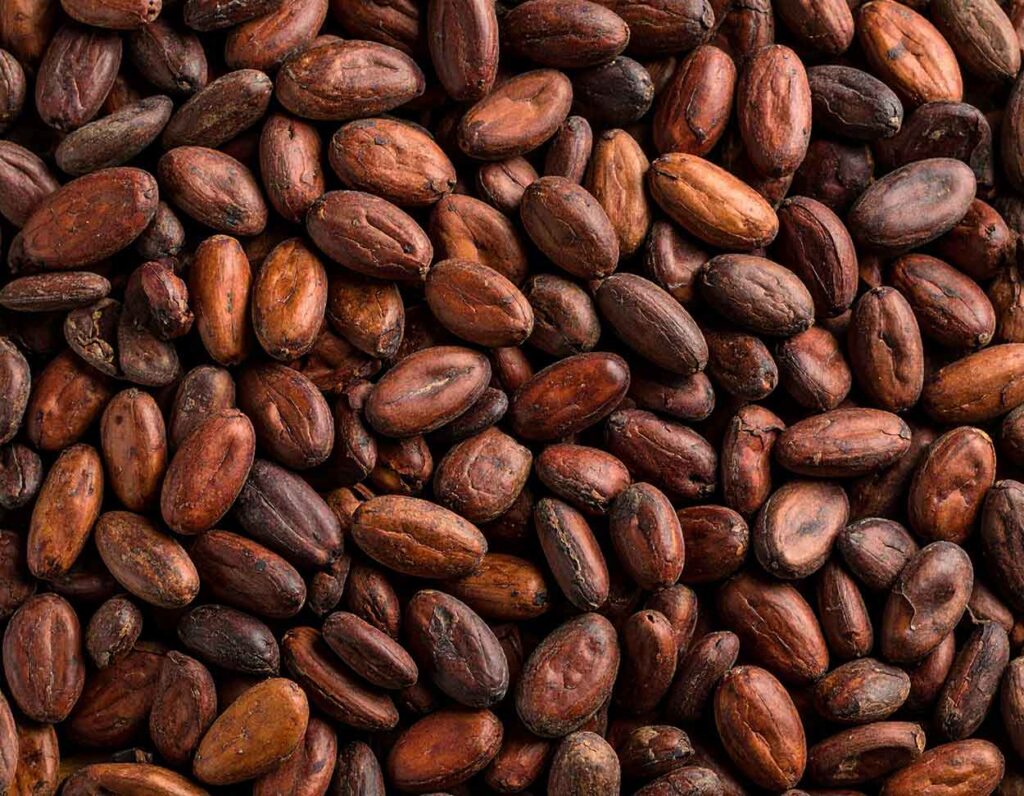
In Central America, the Maya people used cacao beans, the seeds used to make chocolate, as money. They were so valuable that people would trade one cacao bean for a tomato, ten beans for a rabbit or twenty beans for a turkey. A whole canoe full of cacao beans meant you were very wealthy!
Beads were used as currency in many cultures around the world because they were colorful, small and easy to carry. In parts of Africa, India, and among Native American tribes, beads were traded for food, tools or land. Some beads were made from rare materials like glass or shells and were so valuable they were only used for big trades or to show wealth and status. Because they could be strung into necklaces or sewn onto clothing, beads were both beautiful and useful—which made them perfect for trading like money.
Over time, people started using metal coins, like those first invented in ancient Lydia (in what is now Turkey), and later, paper money, which began in China. These new forms of currency made trading faster, easier, and much lighter to carry than bags of beans or shells. Today, most money isn’t even physical, it’s digital, stored in bank accounts and transferred using plastic cards and apps. Even though money has changed, its main job is still the same: to help people trade fairly and simply.
Words to Know
A commodity is a useful or valuable item that can be traded or used like money. Examples from history include shells, salt and chocolate. Commodities today include gold, oil, wheat, sugar, coffee, and cotton.
A currency is the type of money a group of people use to buy things, like coins, paper bills or digital money. It’s what people agree has value for trading. Every country has its own currency. The currency in the United States is the U.S. Dollar.
The Story of the Chocolate Bank
A long time ago in Central America, the Maya and Aztec civilizations didn’t just eat chocolate, they used it as money! They valued cacao beans so much that they stored them like we store money in a bank. Wealthy families would fill clay jars with thousands of cacao beans and hide them in safe places. These jars were their “chocolate banks,” and protecting them was serious business.
Cacao beans were small, easy to carry, and impossible to grow everywhere. These unique qualities made them special. People used them to buy food, clothes, tools or even pay taxes. Just like we protect our wallets or bank accounts today, the Maya and Aztecs guarded their beans carefully. If someone stole your beans, it was like someone stealing all your money!
Some dishonest traders even tried to make fake cacao beans out of clay or coat empty bean shells in dirt to trick people. But sharp-eyed merchants could often tell the difference by smell, weight or texture.
When Spanish explorers arrived in the 1500s and saw people using chocolate as currency, they were amazed! They brought cacao beans back to Europe, where people didn’t understand their value at first. It took time before Europeans learned how to turn the bitter beans into the sweet chocolate we know today.
For the Maya and Aztecs, money really did grow on trees. And it smelled delicious.
Let’s Play!
Drag and Drop
Instructions: Was it used as a currency, or not? Drag the words into the correct category.
Bible Time
“The Lord detests lying lips, but he delights in people who are trustworthy.” — Proverbs 12:22
In the Bible, people often traded goods like spices, livestock and fabrics. God wanted people to trade in a way that was honest. As we discussed in the previous lesson, God values fairness and honesty in trading. He wants us to be fair and honest when we sell things and buy things. In this verse, we learn that God loves when we are honest and can be trusted. Being truthful makes God happy and shows others they can trust us.
With Your Grown-Up
If a grown-up or parent is nearby, spend a minute to discuss one or more of these topics.
Hands On
Put learning into action! Download the activity and dive into a fun, practical way to explore today’s lesson.
What we Learned
Long ago, people used commodities like salt, beads, cacao beans and cowrie shells as money. These early currencies helped people trade when bartering didn’t work well. Eventually, coins and paper money were invented to make trading even easier. We’ll learn about that next!
Check Your Understanding
Hi-Five!
Hit play for your end-of-lesson video!