
Coins to Cards
About 11 minutes, plus hands-on activity and discussion.
Think about it
Welcome to lesson four! We talked about bartering and then we explored the early forms of money like cowrie shells, salt, and cacao beans. Now, it’s time to learn about the money we use today like coins, paper bills, and even credit cards! Have you ever wondered where these came from or how they’re made? Let’s continue our exploration of money!
Let’s Learn
Long before anyone swiped a credit card or tapped their phone to pay, people relied on bartering and then used natural items like shells, salt, and even chocolate beans as money. But as trade grew between cities and countries around the world, people needed something easier to create, carry, and exchange. That’s when coins and paper money were invented, and they changed everything!
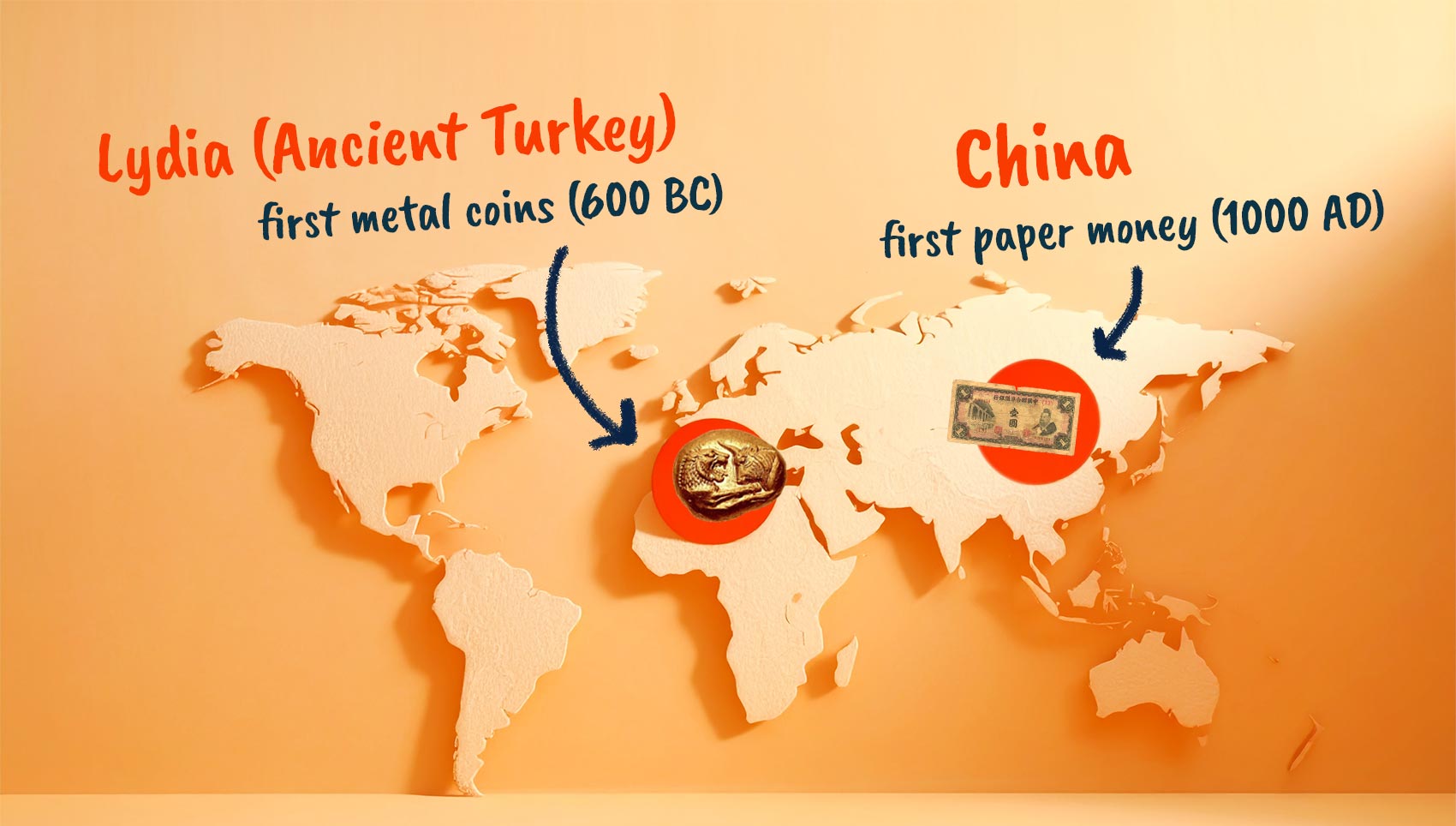
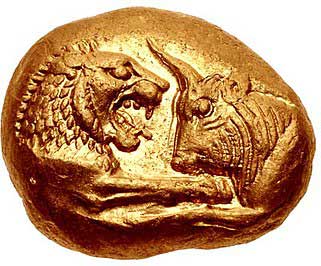
The very first coins were made over 2,500 years ago in a place called Lydia, which is now part of modern-day Turkey. These coins were created from a shiny, naturally occurring mix of gold and silver called electrum. Each one was stamped with a design called a device, often a lion or another powerful image. This stamp wasn’t just for decoration, it acted like a seal of approval from the king or ruler, proving that the coin was real and had value. Today, we would call this the obverse design, and it helped people trust the money they were using. Imagine holding one of those ancient coins, smaller than a quarter, but worth a fortune today to collectors!
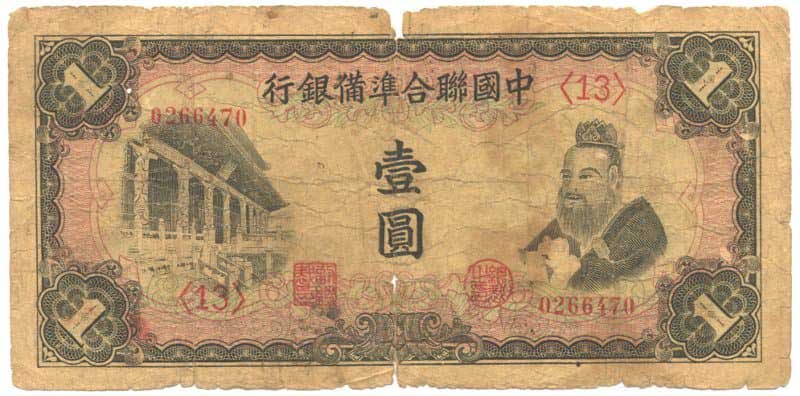
Paper money came much later. The first known paper money was used in China around 1,000 years ago during the Song Dynasty. Traders and merchants often carried heavy bags of coins, which made travel difficult and dangerous. So, the Chinese government created paper notes that promised to pay a certain amount in coins later. These notes were lightweight and easier to carry, and people liked that! They even came with colorful designs and official stamps to prove they were real. One emperor in China made it illegal to refuse paper money, and even printed the punishment on the bills!
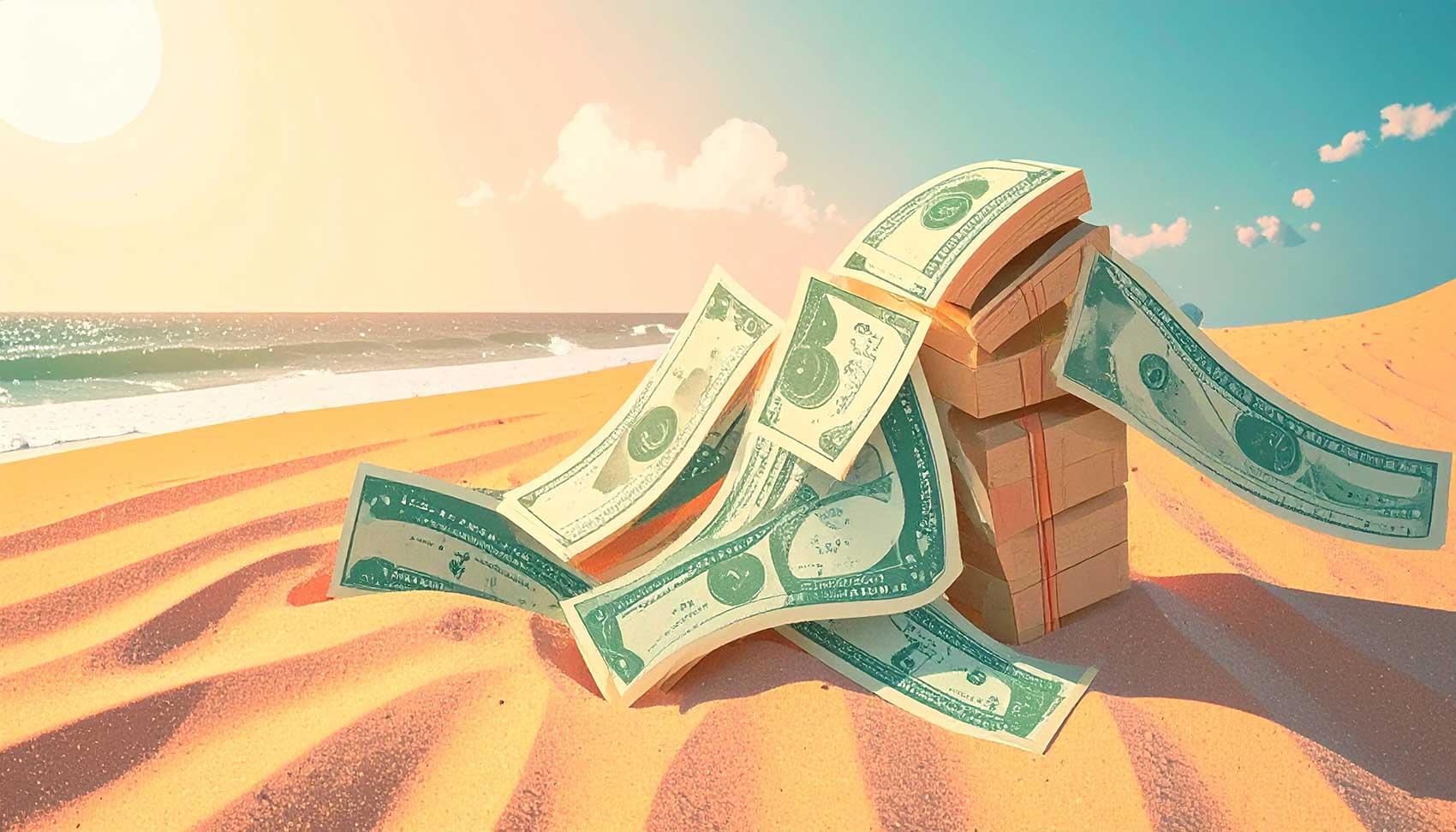
As time went on, the idea of paper money and coins spread across the world. In the United States, coins began being made at the U.S. Mint in 1792, and paper bills were first printed during the Civil War in 1862. Today, coins are made mostly of cheaper metals like zinc and copper, and dollar bills aren’t made of paper at all—they’re made of a special mix of cotton and linen to last longer and feel different than regular paper.
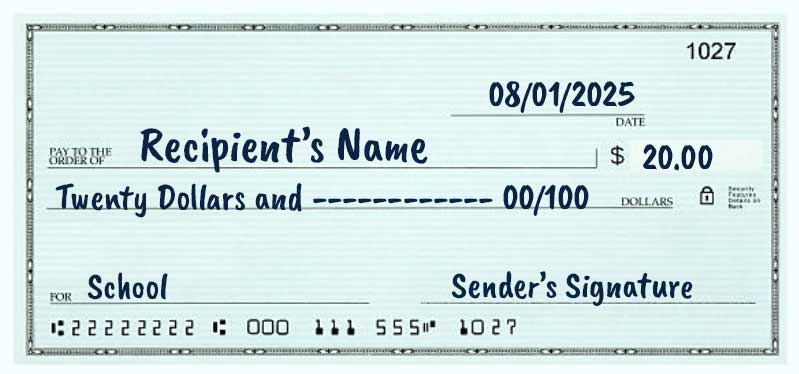
Checks are a way to pay someone using paper, but instead of handing over cash, you’re giving permission for money to be taken from your bank account. When you write a check, you fill in the amount, the date, the person’s name, and your signature. The person can then take that check to their bank and deposit or cash it. Checks became popular in the 1900s because they were safer than carrying large amounts of cash, but forms of checks have existed for centuries! Today, many people use digital payments instead, but checks are still used, particularly in business.
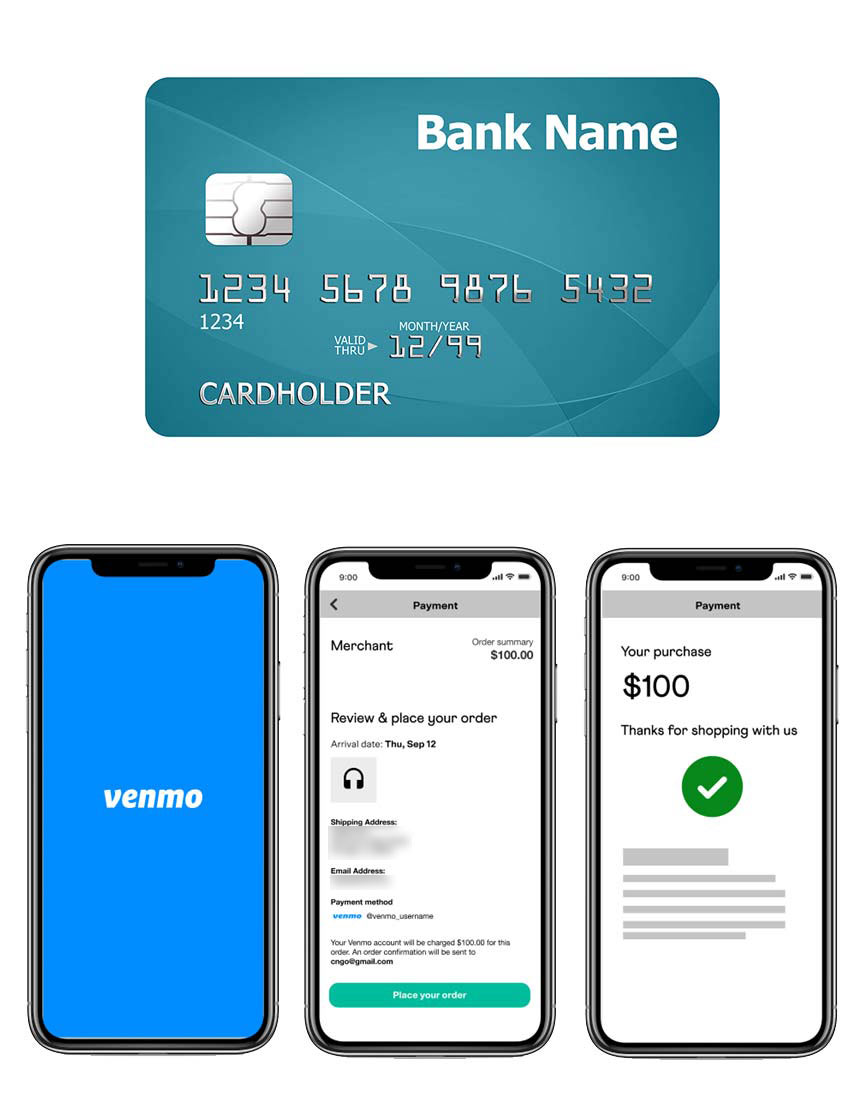
Today, credit cards, debit cards, and digital wallets are some of the most common ways people pay for things—but they aren’t actually forms of money. They’re tools that help us transfer money quickly and conveniently. Credit cards became popular in the 1950s when the first Diners Club card was introduced. Debit cards started to catch on in the 1980s, letting people pay directly from their bank accounts. And digital wallets, like Apple Pay and Venmo, have become widespread since the 2010s. These tools don’t create new money, they simply move your money from one place to another, making spending faster than ever. We’ll talk more about the difference between credit cards, debit cards, and digital wallets in a future lesson.
From electrum lions to printed punishments to plastic cards, money has had a fascinating journey to become what we use every day.
Words to Know
Electrum is a natural mix of gold and silver used to make some of the first coins.
The obverse is the front or “heads” side of a coin, usually showing a famous person or important symbol.
A check is a piece of paper that tells the bank to send money from your bank account to someone else.
Did You Know?
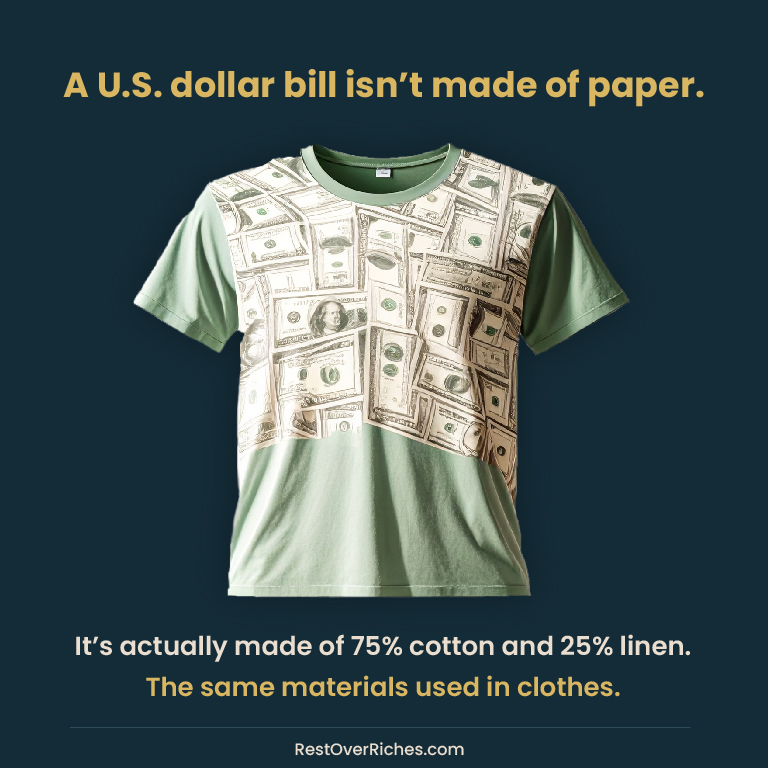
Here’s a fun fact! A U.S. dollar bill isn’t made of paper, it’s actually made of 75% cotton and 25% linen! That’s the same stuff used in clothes, which is why dollar bills can survive being washed in the laundry (even if you didn’t mean to!).
In the lab
Hey, money detectives! Ever wonder what metal our coins are made of? Unfortunately it’s not silver or gold! Thanks to the special qualities of zinc, copper, and nickel, today’s coins are designed to last a long time, cost little to produce, and still be easy to recognize and use. A penny is made of mostly zinc, while our other coins are made of mostly copper. The table below shows the metal composition of each of our coins in the United States of America.
|
Coin |
Metal Composition |
|---|---|
|
Penny (1¢) |
97.5% zinc, 2.5% copper coating |
|
Nickel (5¢) |
75% copper, 25% nickel |
|
Dime (10¢) |
91.67% copper, 8.33% nickel |
|
Quarter (25¢) |
91.67% copper, 8.33% nickel |
|
Half Dollar (50¢) |
91.67% copper, 8.33% nickel |
|
Dollar Coin ($1) |
88.5% copper, 6% zinc, 3.5% manganese, 2% nickel |
Let’s Play!
Drag and Drop
Instructions: The money timeline is out of order! Match each type of money on the left with the order it was created in history on the right from 1 to 4. “1” is the oldest type of money, and “4” is the newest.
Bible Time
“The plans of the diligent lead surely to abundance, but everyone who is hasty comes only to poverty.”
— Proverbs 21:5
When you plan carefully, work hard, and don’t rush, you can build up what you need over time. Being diligent isn’t just about understanding money, it’s also about putting in steady effort and saving little by little. For example, if you save your allowance or earnings week after week, you can eventually buy something small like a toy you’ve been wanting. Or, as an adult, you can keep saving and working toward something much bigger, like a car or even a house. God is telling us in this verse that rushing or being careless with your money often leads to mistakes and empty pockets, but planning and patience lead to abundance and blessings.
With Your Grown-Up
If a grown-up or parent is nearby, spend a minute to discuss one of these topics.
Hands On
Put learning into action! Download the activity and dive into a fun, practical way to explore today’s lesson.
What we Learned
Money has come a long way, from bartering and cowrie shells to coins, paper bills, and digital wallets. The first coins were made from electrum and stamped with a design to show they were real. Paper money began in China as a promise to pay in coins. Today’s money is made of special metals and materials, and we use tools like credit cards and digital wallets to move money from place to place. Understanding how money was made helps us appreciate how we use it today. In the next lesson we will learn about the value of our money and what makes other things valuable too!
Check Your Understanding
High-Five!
Hit play for your end-of-lesson video!